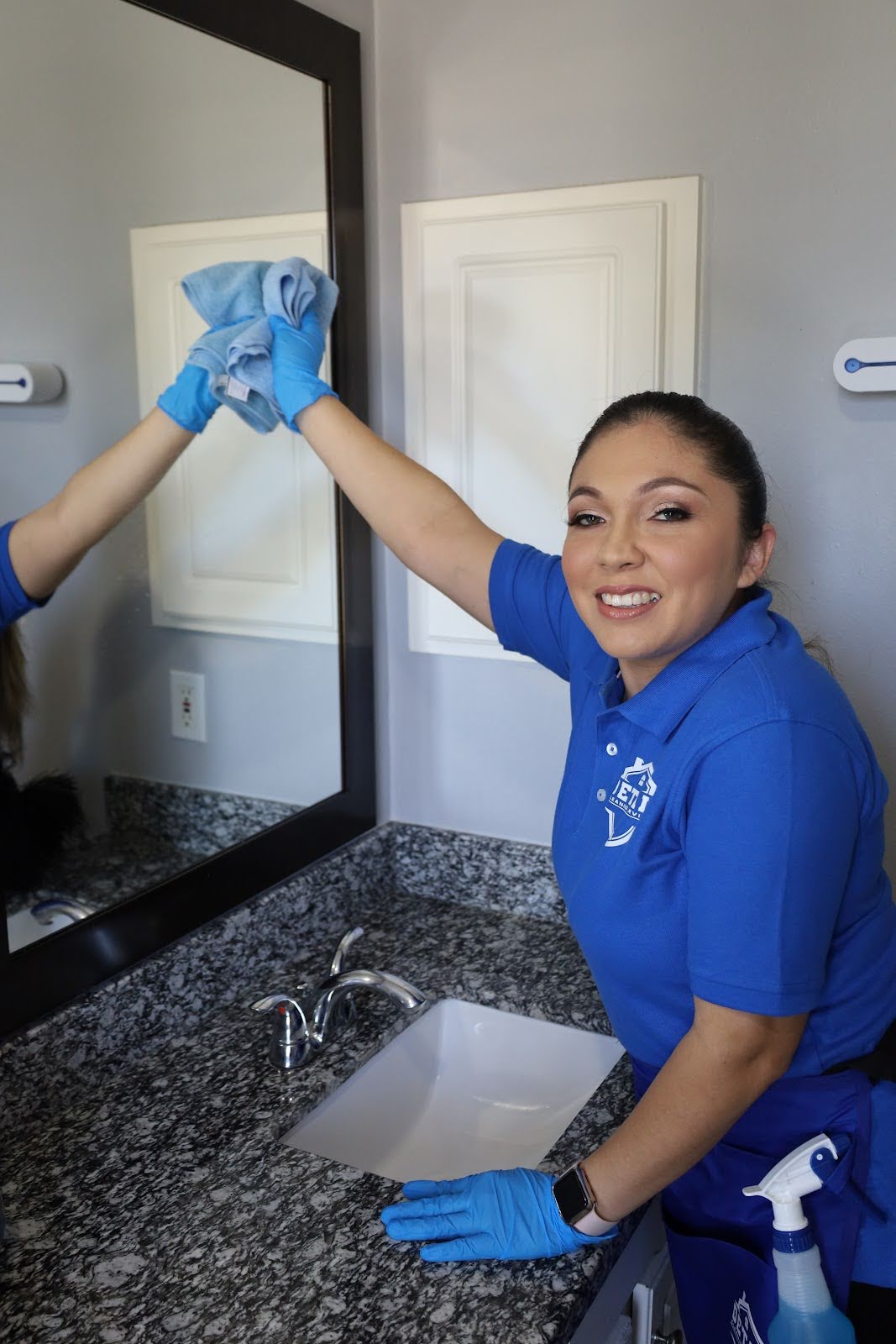
Why Humidity Matters in Houston Homes
Spring in Houston brings warmer temperatures, blooming landscapes, and unfortunately, rising humidity levels that can significantly impact indoor cleanliness. For homeowners and working professionals, this seasonal shift introduces unique challenges that go beyond routine tidying. Elevated humidity creates the perfect environment for moisture accumulation, dust adhesion, and microbial growth—factors that can compromise both cleanliness and indoor air quality.
Understanding how humidity interacts with your home environment is essential for maintaining a consistently clean and healthy living space. This guide explores the direct effects of Houston’s spring humidity and provides actionable, professional-grade cleaning strategies to help mitigate its impact.
Understanding Houston’s Spring Humidity
The Climate Factor
Houston’s subtropical climate is characterized by high relative humidity, especially during spring months when moisture levels begin to rise. This excess moisture in the air infiltrates homes through ventilation systems, open doors, and even structural materials.
How Humidity Affects Indoor Spaces
High humidity alters indoor conditions in several key ways:
- Condensation on surfaces, particularly windows, walls, and tiles
- Increased dust retention, as moisture causes particles to stick to surfaces
- Accelerated microbial growth, including mildew and bacteria
- Persistent odors, often caused by damp materials
These conditions make routine cleaning less effective unless adapted to address moisture-related challenges.
The Link Between Humidity and Indoor Cleanliness
1. Moisture as a Catalyst for Dirt and Grime
Humidity doesn’t just make the air feel heavier—it actively contributes to the buildup of grime. Moisture binds with airborne particles such as dust, pollen, and pet dander, causing them to settle more quickly on surfaces.
This results in:
- Sticky countertops and furniture
- Faster accumulation of dust layers
- Increased need for frequent surface cleaning
2. Hidden Moisture and Surface Contamination
Even when surfaces appear dry, humidity can create micro-level dampness that promotes contamination. Areas such as baseboards, cabinet interiors, and behind appliances often trap moisture, leading to unseen buildup.
3. Impact on Flooring and Fabrics
Humidity affects porous materials more significantly:
- Carpets absorb moisture, trapping dirt and allergens
- Hardwood floors may warp or retain residue
- Upholstery can develop musty odors
These materials require targeted cleaning approaches to maintain hygiene and longevity.
Common Problem Areas in Houston Homes
Bathrooms: High-Risk Moisture Zones
Bathrooms are naturally humid environments, and Houston’s climate amplifies this effect. Without proper cleaning and ventilation, moisture lingers on surfaces, encouraging buildup.
Key concerns include:
- Tile grout discoloration
- Residue on shower doors
- Damp towels and bath mats
Kitchens: Heat and Humidity Combined
Kitchens generate additional moisture through cooking and dishwashing. When combined with ambient humidity, this creates ideal conditions for residue accumulation.
Common issues:
- Grease buildup on cabinets
- Moisture under sinks
- Sticky appliance surfaces
Living Areas: Dust and Allergen Accumulation
Humidity causes dust and allergens to cling to furniture, electronics, and décor. This not only affects cleanliness but also indoor air quality.
HVAC Systems and Air Vents
Air circulation systems can distribute humid air and trapped particles throughout the home. Without regular cleaning, vents become reservoirs for dust and moisture.
Moisture Control Techniques for Houston Homes
1. Optimize Indoor Ventilation
Proper airflow is essential for reducing humidity levels. Consider:
- Using exhaust fans in bathrooms and kitchens
- Opening windows during low-humidity periods
- Ensuring HVAC systems are functioning efficiently
2. Use Dehumidifiers Strategically
Dehumidifiers help maintain optimal indoor humidity levels (typically between 30–50%). Place them in high-moisture areas such as:
- Bathrooms
- Laundry rooms
- Basements or storage areas
3. Seal and Insulate Key Areas
Prevent moisture intrusion by sealing:
- Windows and door frames
- Plumbing entry points
- Attic spaces
4. Monitor Indoor Humidity Levels
Using a hygrometer allows homeowners to track humidity and make adjustments proactively.
Mold and Mildew Prevention Through Cleaning
While Houston’s humidity increases the risk of mold and mildew, consistent cleaning practices can significantly reduce their likelihood.
Preventative Cleaning Strategies
- Wipe down wet surfaces immediately, especially in bathrooms and kitchens
- Clean grout and tile regularly to prevent buildup
- Wash fabrics frequently, including curtains and upholstery
- Dry surfaces thoroughly after cleaning
Focus on High-Risk Areas
- Shower enclosures
- Sink cabinets
- Window sills
- Laundry areas
Maintaining dryness in these areas is critical for preventing unwanted growth.
Deep Cleaning Priorities for Spring
Bathroom Deep Cleaning
A comprehensive bathroom clean should include:
- Scrubbing tile and grout
- Disinfecting sinks and countertops
- Cleaning mirrors and glass surfaces
- Removing residue from fixtures
Kitchen Deep Cleaning
Key tasks include:
- Degreasing cabinets and backsplashes
- Cleaning inside appliances
- Sanitizing countertops and sinks
- Addressing under-sink moisture
Floor and Carpet Care
- Steam cleaning carpets to remove embedded moisture and dirt
- Mopping hard floors with appropriate solutions
- Drying floors thoroughly to prevent residue
Dust Removal and Surface Cleaning
- Use microfiber cloths to trap dust effectively
- Clean baseboards, blinds, and ceiling fans
- Wipe down electronics and decorative items
The Role of Recurring Cleaning Services
Why One-Time Cleaning Is Not Enough
In a high-humidity environment like Houston, cleanliness is not a one-time achievement—it requires ongoing maintenance. Moisture-related buildup can return quickly if not managed consistently.
Benefits of Recurring Professional Cleaning
- Consistent moisture control through routine cleaning
- Improved indoor air quality
- Reduced workload for homeowners
- Targeted attention to problem areas
What to Expect from Professional Services
A structured recurring cleaning plan typically includes:
- Regular bathroom and kitchen sanitization
- Dusting and surface cleaning
- Floor care and maintenance
- Monitoring of high-moisture zones
These services help maintain a stable and hygienic indoor environment throughout the season.
Long-Term Maintenance Strategies
Establish a Cleaning Schedule
Consistency is key. Develop a schedule that includes:
- Weekly surface cleaning
- Bi-weekly deep cleaning of key areas
- Monthly attention to overlooked spaces
Choose the Right Cleaning Products
Use products designed for:
- Moisture-prone environments
- Non-porous surface protection
- Residue-free finishes
Maintain HVAC Systems
Regular maintenance of HVAC systems ensures proper air circulation and humidity control.
Indoor Air Quality and Health Considerations
Humidity-related cleanliness issues are not just aesthetic—they can impact health. Poor indoor air quality may contribute to:
- Allergies
- Respiratory discomfort
- Increased exposure to airborne particles
By managing humidity and maintaining cleanliness, homeowners can create a healthier living environment.
Practical Tips for Busy Houston Professionals
For homeowners balancing work and family responsibilities, efficiency is essential.
Quick Daily Habits
- Wipe down surfaces after use
- Run exhaust fans during and after showers
- Keep clutter to a minimum
Weekly Priorities
- Vacuum and mop floors
- Clean bathrooms and kitchens
- Dust high-touch surfaces
When to Seek Professional Help
If humidity-related issues persist despite regular cleaning, professional services can provide the consistency and expertise needed to maintain control.
Staying Ahead of Houston’s Humidity
Houston’s spring humidity presents a unique set of challenges for maintaining indoor cleanliness. From increased dust accumulation to moisture-related buildup, these conditions require a proactive and strategic approach.
By implementing effective moisture control techniques, prioritizing deep cleaning in high-risk areas, and considering recurring professional cleaning services, homeowners can maintain a clean, comfortable, and healthy living space throughout the season.
A well-maintained home not only enhances daily comfort but also protects long-term property value—making humidity-conscious cleaning an essential part of home care in Houston.