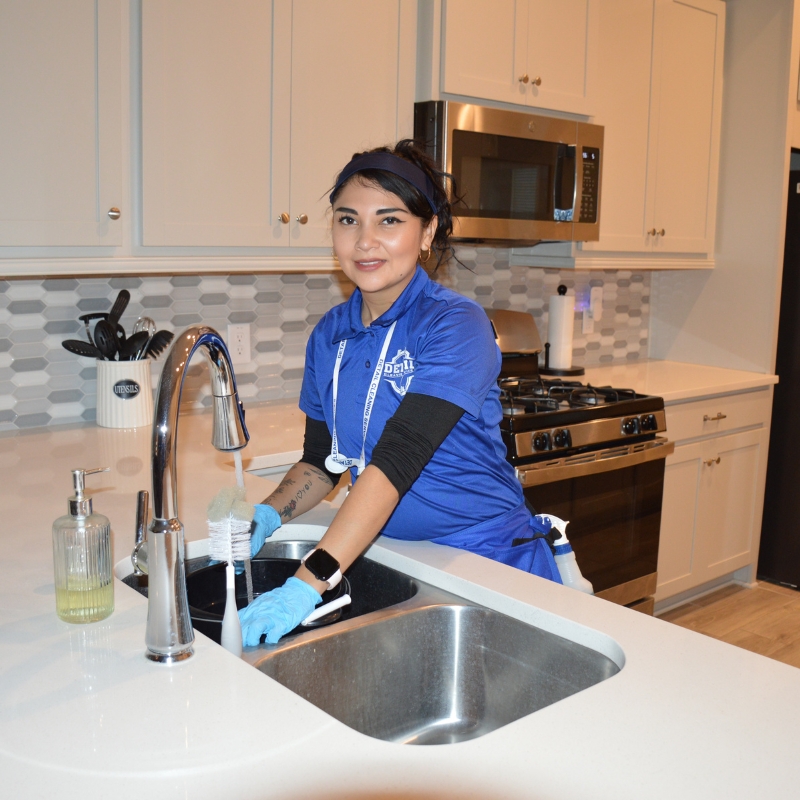
Why Houston Kitchens Need a Deeper Clean
Houston cooking is flavorful—and sometimes extra oily. From high-heat searing to frequent frying, airborne grease easily bonds with humidity, settling on cabinet fronts, stainless surfaces, backsplash grout, and appliance handles. Add busy family schedules and you’ve got the perfect conditions for stubborn buildup.
This comprehensive guide organizes your deep clean by functional zones—cooktop → prep → storage → sink → floors—with product-safe methods for stainless, stone, and laminate. You’ll also find a 30-minute weekly upkeep plan to keep results lasting, plus a quarterly pro-level checklist (including inside-appliance add-ons) when it’s time to elevate the shine or book a deep cleaning service in Houston.
What You’ll Need: Safe Products & Tools for Houston Homes
-
Degreaser (food-safe): Citrus-based or surfactant-rich for baked-on grease.
-
Alkaline cleaner (for heavy grease): Use carefully; follow label directions.
-
pH-neutral stone cleaner: For granite, marble, quartzite; avoid acidic products.
-
Mild dish soap + warm water: Universal first-line cleaner for many surfaces.
-
Microfiber cloths & flat mop pads: High grab for oils without scratching.
-
Non-scratch scrub pads & nylon brushes: Grout lines, textured cabinet rails.
-
Razor scraper (stovetop glass only): For fused spills; hold at shallow angle.
-
Baking soda paste: Gentle abrasion for sink scuffs and grout touch-ups.
-
Vacuum with crevice tool: Crumbs in tracks, toe-kicks, and cabinet corners.
-
Sealer (stone & grout, as applicable): To protect against Houston humidity and stains.
-
Protective gear: Nitrile gloves, ventilation via range hood or open windows.
Precautions First: Always spot-test in a hidden area. Follow manufacturer guidance for stainless, sealed stone, and appliance finishes.
Zone 1: Cooktop & Oven — Degreasing Without Damage
1.1 Gas & Electric Cooktops
-
Disassemble: Remove grates, burner caps, and knobs (as permitted) and soak in warm, soapy water.
-
Surface Pre-Clean: Wipe with hot, damp microfiber to loosen oils; change cloths frequently.
-
Degrease: Apply a food-safe degreaser; dwell 2–5 minutes. Avoid seams and electronics.
-
Scrub Gently: Use non-scratch pads; deploy a razor scraper on glass tops at a shallow angle.
-
Rinse & Dry: Remove residue with a clean damp cloth; dry to prevent hazing.
-
Polish Stainless Trim: Use a stainless-safe polish, wiping with the grain.
Tip for Houston Homes: Summer humidity can “set” grease. Warm the surface slightly (not hot) before degreasing to improve product performance.
1.2 Oven Interior
-
Remove Racks: Soak in a bathtub lined with towels (to prevent scratches) with hot water + degreaser.
-
Apply Oven Cleaner: Choose low-fume or natural enzyme-based; follow dwell times exactly.
-
Detail the Door: Clean glass with a degreaser, then polish with glass cleaner; use a plastic scraper for drips.
-
Final Rinse: Wipe down with damp microfiber until residue is gone; dry racks before replacing.
Add-On Alert: Many deep cleaning services in Houston offer inside-the-oven detailing—smart before holiday roasting or after heavy sauté season.
Zone 2: Prep Surfaces — Stone, Stainless, and Laminate Care
2.1 Stone Countertops (Granite, Marble, Quartzite)
-
Daily: pH-neutral stone cleaner; microfiber wipe with minimal moisture.
-
Stain Response: For oil spots, use a stone-safe poultice; avoid vinegar or bleach.
-
Sealing: In humid climates like Houston, sealing frequency may increase (often annually). Test by beading water on the surface; if it darkens quickly, re-seal.
-
Heat & Scratch: Use trivets and cutting boards—stone can etch or chip.
2.2 Stainless Steel Worktops & Appliances
-
With the Grain: Spray on a microfiber cloth (not the surface) to minimize streaking.
-
De-Grease First: If there’s grease, pre-clean with mild dish soap solution, then finish with stainless polish.
-
Avoid Chlorides: Chloride-containing cleaners can cause pitting.
2.3 Laminate & Butcher Block
-
Laminate: Use mild soap; avoid soaking seams.
-
Butcher Block: Clean with dish soap; sanitize with diluted white vinegar (check manufacturer). Oil regularly with food-safe mineral oil.
Zone 3: Storage Surfaces — Cabinets, Backsplash, and Grout
3.1 Cabinet Fronts (Painted, Stained, or Laminate)
-
Dust & Vacuum: Start at the crown to prevent streak trails.
-
Degrease Gently: Dish soap solution or gentle degreaser; avoid soaking edges and hinges.
-
Detail Hardware: Remove knobs if possible; clean threads and escutcheons.
-
Dry & Buff: Prevent water marks and raised grain.
Pro Tip: For sticky pulls near the range, a citrus-based cleaner breaks down polymerized oils without stripping finishes.
3.2 Backsplash & Grout Revival
-
Ceramic/Porcelain: Degrease with an alkaline cleaner; rinse well.
-
Natural Stone Splash: Use a stone-safe cleaner and re-seal if water no longer beads.
-
Grout: Scrub with a nylon brush and a baking soda paste or specialized grout cleaner.
-
Sealant: In Houston, consider sealing grout every 6–12 months to prevent cooking oil penetration and mildew.
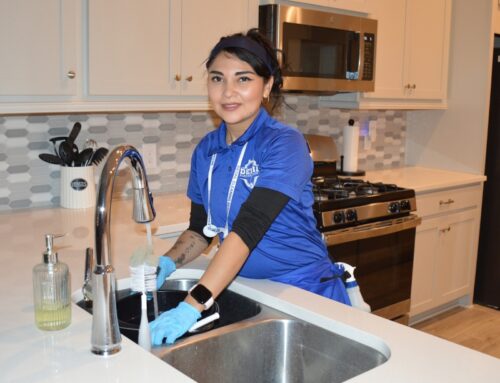
Zone 4: Sink, Faucet, and Dish Zone — Where Sanitation Matters
4.1 Sink Interior (Stainless/Composite)
-
Degrease + Deodorize: Dish soap first; baking soda paste for scuffs and film.
-
Drain & Disposer: Ice + rock salt flush helps scrape residue; follow with citrus peel for odor.
-
Final Rinse & Dry: Prevents mineral spotting, especially after hard-water boilovers.
4.2 Faucet, Spray Head, and Handles
-
Descale: If you notice spotting, use a manufacturer-approved descaler on aerators.
-
Disinfect Touch Points: Finish with an EPA-registered disinfectant safe for fixtures; respect dwell time.
Zone 5: Floors & Toe-Kicks — The Final, Satisfying Pass
5.1 Dry Debris Removal
-
Vacuum First: Use crevice tools along toe-kicks, baseboards, and under the range and fridge if accessible.
-
Edge Dusting: Microfiber wand for quarter-round and transitions.
5.2 Damp Clean by Material
-
Sealed Tile: Neutral floor cleaner; avoid soapy films that attract dust.
-
Luxury Vinyl Plank (LVP): Minimal moisture; avoid steam devices that can void warranties.
-
Sealed Wood: Lightly damp microfiber; follow with dry pass to protect finish.
Inside-Appliance Add-Ons That Change Everything
Refrigerator (Interior)
-
Empty & Sort: Use a cooler for perishables.
-
Remove Bins & Shelves: Wash with warm, soapy water; avoid hot water on cold glass.
-
Gasket Detail: Q-tips for folds; wipe with a mild cleaner and dry thoroughly.
-
Odor Control: Open box of baking soda or dedicated fridge deodorizer.
Dishwasher (Interior)
-
Filter: Remove food gunk to prevent redepositing.
-
Descale Cycle: Manufacturer-approved cleaner on a hot cycle; wipe door edges and bottom well.
-
Spray Arms: Clear holes with a toothpick.
Microwave (Interior)
-
Steam Loosen: Bowl of water + lemon slice microwaved 2–3 minutes; wipe residue.
-
Door Edge & Vents: Degrease with a damp microfiber.
30-Minute Weekly Upkeep (So Your Deep Clean Lasts)
Goal: Prevent grease polymerization and grout discoloration between deep cleans.
-
Minutes 0–5: Reset Surfaces
Clear counters, load/hand-wash stray dishes, and empty sink. -
Minutes 5–10: Quick Degrease
Wipe cooktop and backsplash zone with a mild degreaser; buff stainless handles/knobs. -
Minutes 10–15: Counter Sweep
pH-neutral cleaner on stone; dish soap solution on laminate; dry thoroughly. -
Minutes 15–20: Cabinet High-Touch
Spot-clean pulls and lower rails near the range. -
Minutes 20–25: Sink + Faucet
Baking soda quick rub for film; rinse, disinfect touch points, dry. -
Minutes 25–30: Floors & Final Check
Vacuum crumbs; rapid damp mop path; empty trash/compost.
Monthly Tasks That Pay Off
-
Grout inspection & spot scrub near the cooktop path.
-
Range hood filter degrease (dish soap or degreaser soak).
-
Fridge gasket wipe and handle disinfect.
-
Dishwasher filter check to prevent odors.
-
Cabinet rail wipe in splash zones.
Quarterly Pro-Level Checklist (Or DIY Weekend)
When the calendar turns (or before major hosting), elevate your kitchen with this quarterly deep-dive:
-
Inside Oven Detail: Racks, door glass, drip catchment.
-
Full Cooktop Breakdown: Caps, grates, drip pans, ignition wells.
-
Backsplash & Grout Restoration: Alkaline degrease (ceramic), stone-safe clean (natural), re-seal grout as needed.
-
Cabinet Full Face Clean: Hinges, pulls, side panels, toe-kicks; consider conditioning wood finishes.
-
Inside-Fridge Refresh: Bins, shelves, tracks, and drip trays.
-
Dishwasher Descale & Polish: Filter, spray arms, door edges.
-
Range Hood & Vent Exterior: Degrease canopy, clean controls.
-
Stainless Polish Session: Appliances wiped with-the-grain; fingerprints banished.
-
Stone Counter Re-Seal (as required): Water-bead test; follow label.
-
Flooring Detail: Baseboard wipe, grout scrub (if tiled), furniture glides cleaned.
If this list feels extensive (it is!), a professional deep cleaning service in Houston can handle it efficiently with the right tools, stone-safe products, and trained techniques—especially useful before holidays or after heavy cooking cycles.
Common Houston-Specific Kitchen Pain Points (and Fixes)
-
Humidity + Grease = Sticky Film: Increase range hood use; warm surfaces slightly before degreasing to improve separation.
-
Grout Darkening Near the Range: Short monthly scrub + 6–12 month sealing cadence.
-
Stainless Streaks: Always clean with the grain; pre-degrease before polishing.
-
Stone Etches or Dull Spots: Avoid acidic products; use stone-specific cleaners and reseal regularly.
-
Persistent Sink Odors: Deep clean the disposer, descale drains, and dry the basin after last use.
Eco-Conscious Options Without Sacrificing Results
-
Microfiber First: Mechanical lift reduces chemical load.
-
Citrus-Based Degreasers: Effective on oils; check finish compatibility.
-
Baking Soda & Hot Water: Gentle abrasive + heat synergy for many residues.
-
Targeted Chemistry: Reserve stronger alkaline products for heavy-buildup zones only, then neutralize/rinse thoroughly.
Time-Saving Workflow: Top-to-Bottom, Clean-to-Dirty
-
Dust High Before Wet Work: Lights, crown, and hood top.
-
Degrease Cook Zone: Cooktop, control knobs, front panels.
-
Move to Prep Surfaces: Counters, small appliances’ exteriors.
-
Tackle Storage Faces: Cabinets, backsplash, grout.
-
Finish Wet Areas: Sink, faucet, and dish zone.
-
End with Floors: Vacuum then damp clean to capture everything that fell.
This sequencing prevents re-soiling and keeps momentum—ideal for busy families.
Quick Reference: Zone-by-Zone Checklist
Cooktop/Oven
-
Soak grates/caps; degrease surfaces; scrape fused spills; polish trim.
-
Oven racks soak; cleaner dwell; wipe and rinse thoroughly.
Prep Surfaces
-
Stone: pH-neutral clean; seal test.
-
Stainless: degrease first; polish with the grain.
-
Laminate/Block: light moisture; oil butcher block.
Storage
-
Cabinets: dust, degrease gently, detail hardware, dry.
-
Backsplash/Grout: alkaline clean (tile), stone-safe clean (natural), seal.
Sink & Faucet
-
Baking soda buff; sanitize touch points; descale aerators.
Floors
-
Vacuum edges and toe-kicks; neutral cleaner; minimal moisture on LVP/wood.
Your Next Step: Keep the Shine or Book the Boost
-
DIY Path: Adopt the 30-minute weekly routine and schedule a quarterly deep clean with the checklist above.
-
Pro Path: If time is tight or buildup is stubborn, book a kitchen deep cleaning service in Houston and include inside-appliance add-ons for a comprehensive reset.
A cleaner kitchen isn’t just about shine—it’s about sanitation, longevity of finishes, and easier everyday cooking. With the right products, smart sequencing, and consistent upkeep, Houston kitchens can stand up to bold flavors and humidity—beautifully.